Few filmmakers generate stronger reactions than Uwe Boll.
Throughout his career, Boll has occupied a unique position within popular culture. Critics have frequently attacked his work, while devoted supporters argue that his films possess a raw energy often missing from mainstream productions. Whether praised or criticized, Boll has never been ignored.
His newest project, Citizen Vigilante, marks a significant return to the spotlight. Featuring Armie Hammer in the lead role, the film explores themes of justice, public frustration, and the influence of social media on modern heroism. Early reports suggest the story follows a man who becomes a vigilante after losing faith in traditional legal institutions. As his actions gain public attention, he transforms into both a celebrity and a controversial figure.
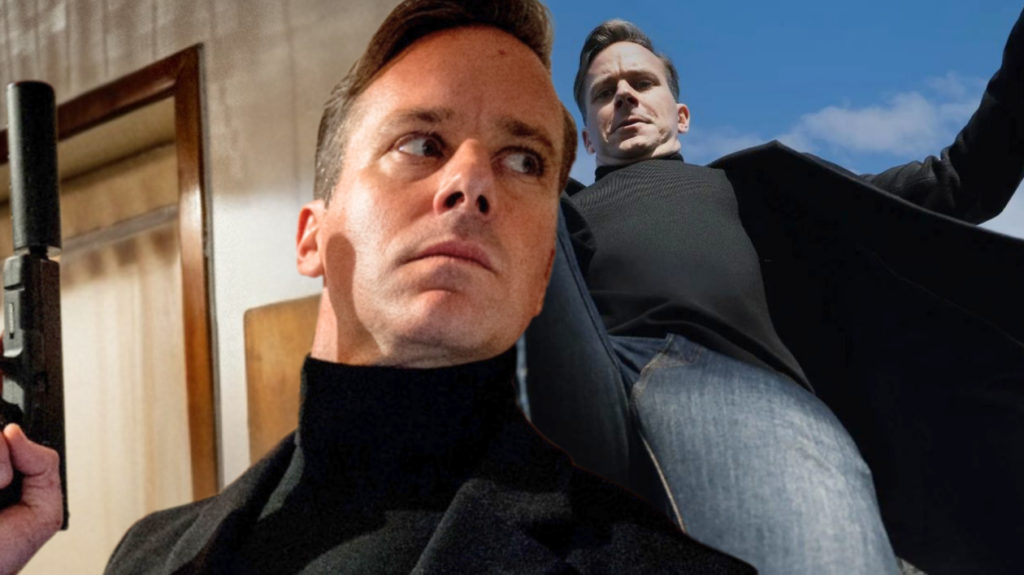
The film arrives at a time when audiences around the world are debating questions about accountability, public trust, and the power of online influence. These themes give the movie a relevance that extends beyond its action-thriller framework.
Boll’s return is particularly interesting because it occurs after years of relative absence from mainstream filmmaking. During that period, the director became almost mythical among cult movie fans. Discussions about his legacy continued even when he was not actively releasing major projects.
Supporters believe Citizen Vigilante could represent a creative reinvention. Critics remain skeptical. Yet both groups agree on one point: the film will attract attention.
The casting of Armie Hammer adds another layer of controversy. After years of public scrutiny and career difficulties, Hammer’s participation ensures that the film will generate discussion regardless of its critical reception.
Historically, vigilante stories have reflected social anxieties. From urban crime dramas of the 1970s to modern superhero narratives, audiences have often been fascinated by characters who operate outside official systems. Citizen Vigilante appears poised to continue that tradition while adapting it to a digital era.
The role of social media within the story is especially notable. Unlike classic vigilante heroes who operated in secrecy, modern figures can become internet celebrities overnight. Fame and justice become intertwined. Public approval becomes a form of power.
Whether the film succeeds critically or commercially remains uncertain. Yet uncertainty has always been part of Boll’s appeal. His films challenge expectations, provoke reactions, and encourage debate.
In an entertainment landscape often criticized for predictability, that alone may be enough to make Citizen Vigilante one of the most discussed B-movies of 2026.