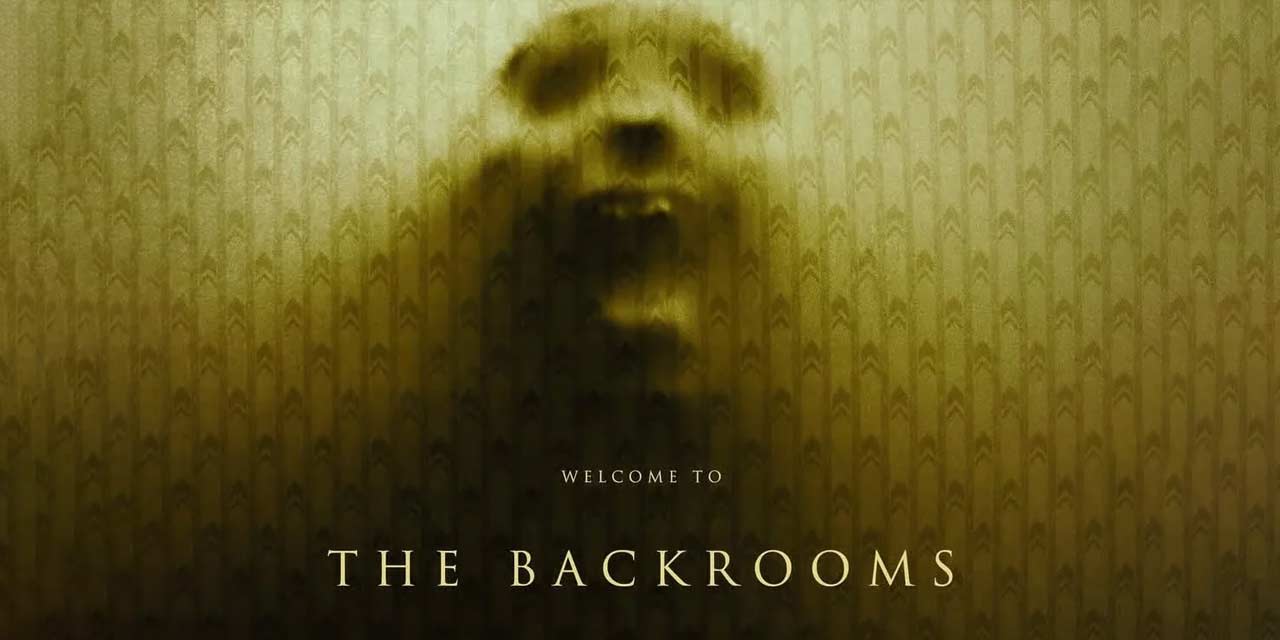
A24’s Most Unsettling Descent Into Digital Horror Yet
There are horror movies that rely on monsters. There are horror movies that rely on violence. Then there are horror movies like Backrooms, which manage to create fear from something far more difficult to achieve: empty space.
Few B-movies released in 2026 have generated as much discussion as Backrooms. Originally inspired by the internet phenomenon that fascinated millions of people online, director Kane Parsons transformed a simple creepypasta concept into one of the year’s most ambitious independent horror films. The result is a movie that feels simultaneously experimental and accessible, strange and terrifying, artistic and deeply unsettling. The film became a major box-office success and one of the most talked-about horror releases of the year.
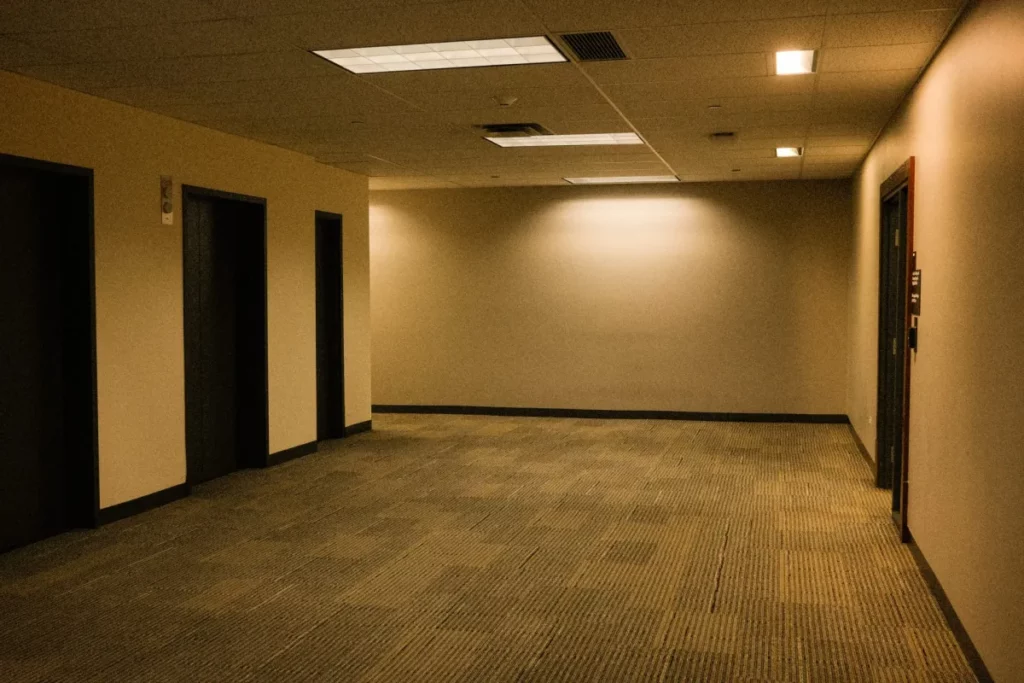
The premise sounds deceptively simple. A mysterious alternate reality exists beyond our own, consisting of endless yellow hallways, empty offices, abandoned rooms, and impossible architecture. Once trapped inside, escape becomes nearly impossible.
What makes Backrooms remarkable is its commitment to atmosphere.
Most modern horror films are afraid of silence. They constantly bombard audiences with loud music, rapid editing, and endless jump scares. Backrooms takes the opposite approach. Long stretches of the film are dominated by fluorescent hums, distant echoes, and unsettling stillness.
The result is psychological horror at its finest.
The production design deserves enormous praise. Endless corridors stretch into darkness. Rooms appear familiar yet wrong. Every location feels like a memory that has somehow become corrupted. Critics have praised the film’s oppressive visual style and its ability to transform mundane environments into sources of terror.
Kane Parsons demonstrates surprising confidence for a filmmaker making such a significant leap from internet content to feature filmmaking. Instead of abandoning the qualities that made the original concept popular, he expands them intelligently.
The movie understands that the unknown is often more frightening than any explanation.
Not everything works perfectly. Some viewers may find the narrative deliberately vague. Traditional horror fans expecting clear answers could become frustrated by the film’s ambiguity. The story prioritizes mood over exposition and atmosphere over straightforward storytelling.
Yet this choice ultimately becomes one of the film’s strengths.
Like the best cult classics, Backrooms refuses to explain everything. It trusts audiences to engage with uncertainty.
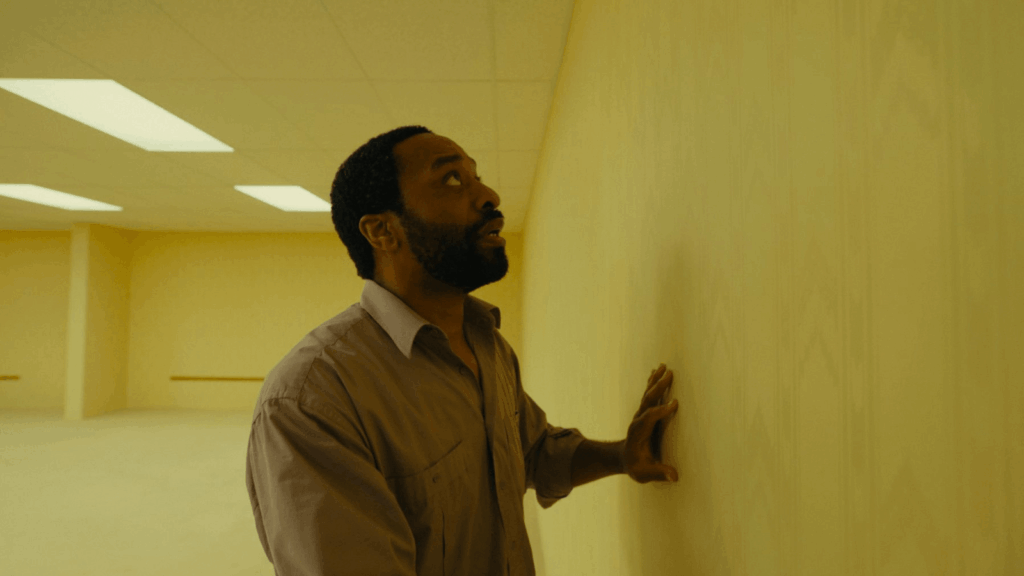
Visually, the movie is stunning. Several sequences rank among the most memorable horror moments of 2026. Parsons constantly finds new ways to make empty rooms feel threatening, a remarkable achievement considering how repetitive the setting could have become in less capable hands. Reviewers have highlighted the film’s unsettling environments, inventive scares, and increasingly intense second half.
The greatest compliment one can give Backrooms is that it feels genuinely new.
In an era dominated by sequels, remakes, and franchise entries, originality has become surprisingly rare. Backrooms may not appeal to everyone, but it never feels manufactured or predictable.
Rating: 9/10
A bold, visually mesmerizing B-movie that proves internet horror can evolve into serious cinema without losing its disturbing identity.