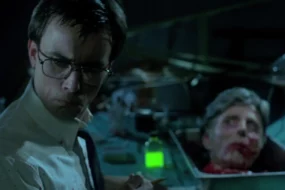
For many film fans, B-movies are more than low-budget productions. They are reminders that passion, creativity, and a willingness to take risks can sometimes achieve what million-dollar marketing campaigns cannot. Few films embody that spirit better than The Toxic Avenger, a movie that started as a bizarre independent experiment and eventually became one of the most recognizable cult films in cinema history.
More than forty years after its release, the film continues to attract new audiences. What was once considered an outrageous exploitation comedy is now viewed as a landmark of independent filmmaking. To understand why, we spoke with film historian Mark Reynolds about the enduring legacy of this unlikely hero.
b-independent: When The Toxic Avenger premiered in 1984, nobody could have predicted the impact it would have. Looking back today, what made the film so special?
Mark Reynolds: The most important thing was that it had absolutely no interest in following Hollywood rules. The filmmakers weren’t trying to create a polished studio picture. They wanted to make something outrageous, entertaining, and unforgettable. That freedom allowed them to create a film unlike anything audiences had seen before.
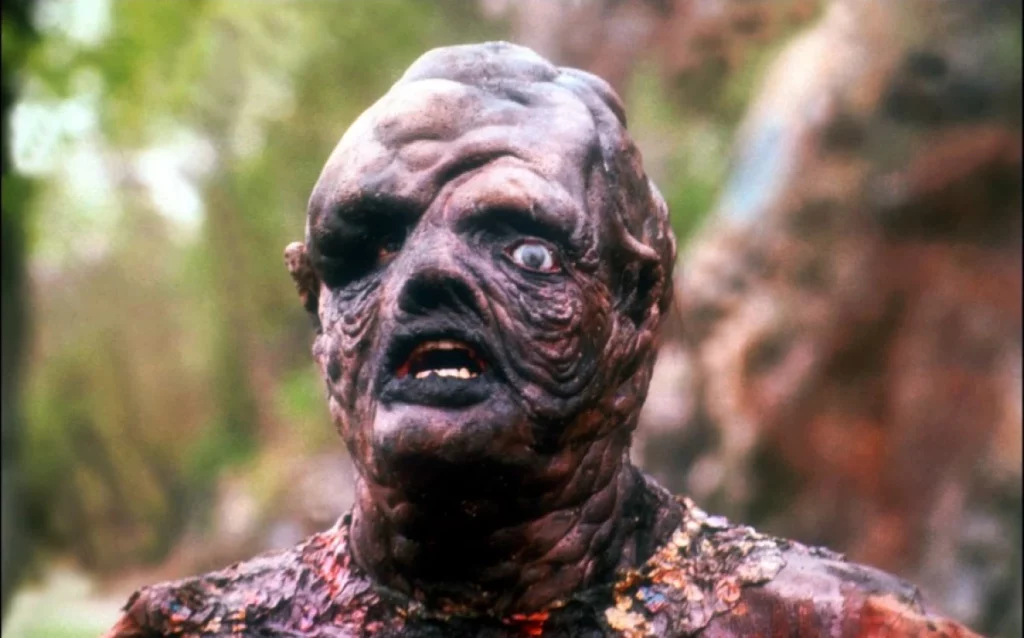
At its core, the story is incredibly simple. Melvin Junko is a shy, awkward janitor who becomes the victim of relentless bullying. After a terrible accident involving toxic waste, he transforms into a grotesque mutant with extraordinary strength. Instead of becoming a monster, however, he becomes a hero.
That contrast is what makes the film fascinating. It takes a classic superhero concept and filters it through the lens of low-budget exploitation cinema.
b-independent: Modern audiences are often surprised by how strange the movie feels. Was that unusual even for its time?
Mark Reynolds: Absolutely. The 1980s produced many unusual films, but The Toxic Avenger occupied a category all its own. One moment it’s a superhero story. The next it’s a horror film. Then suddenly it’s a comedy or a satire.
The movie constantly shifts tone, yet somehow it works. Viewers never know exactly what will happen next. In an era where many films follow predictable formulas, that unpredictability feels refreshing.
The filmmakers embraced chaos. They understood that audiences would forgive technical imperfections if the movie remained entertaining. And it certainly does.
b-independent: The practical effects have become iconic among cult film fans. What role did they play in the movie’s success?
Mark Reynolds: A huge role. Today we’re surrounded by digital effects. Audiences see computer-generated creatures every week. Back then, filmmakers had to build everything physically.
The Toxic Avenger himself wasn’t created inside a computer. The makeup artists spent countless hours designing and applying prosthetics. The result may not be realistic by modern standards, but it possesses something many digital creations lack: physical presence.
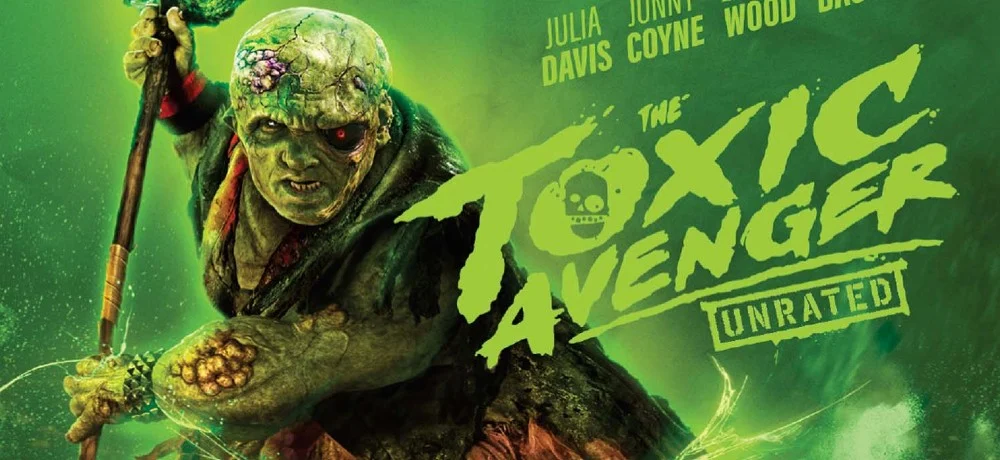
Viewers can feel that the character exists within the world of the film.
Ironically, the limited budget became an advantage. Constraints forced the filmmakers to become more inventive.
b-independent: The film launched an entire franchise. Did anyone expect that?
Mark Reynolds: Not even close. Most independent films simply hoped to recover their production costs. The idea that this bizarre mutant superhero would eventually inspire sequels, comic books, toys, and even stage productions seemed ridiculous.
Yet that’s exactly what happened.
The character became a symbol of independent cinema. He represented the idea that outsiders could succeed without permission from major studios.
For many aspiring filmmakers, that message was incredibly inspiring.
b-independent: Why do younger generations continue discovering the film?
Mark Reynolds: Because authenticity never goes out of style.
Modern audiences can immediately sense when filmmakers genuinely believe in their project. The Toxic Avenger is messy, imperfect, and occasionally absurd, but it feels sincere. Every frame reflects enthusiasm.
In a media landscape dominated by algorithms and market research, there’s something refreshing about watching a film that seems to exist purely because its creators thought it would be fun.
And honestly, that’s a large part of its magic.