The history of cinema is filled with giant monsters. Some arrived from outer space. Others emerged from ancient oceans or secret laboratories. Most enjoyed brief moments of popularity before fading into obscurity.
Then there is Tremors.
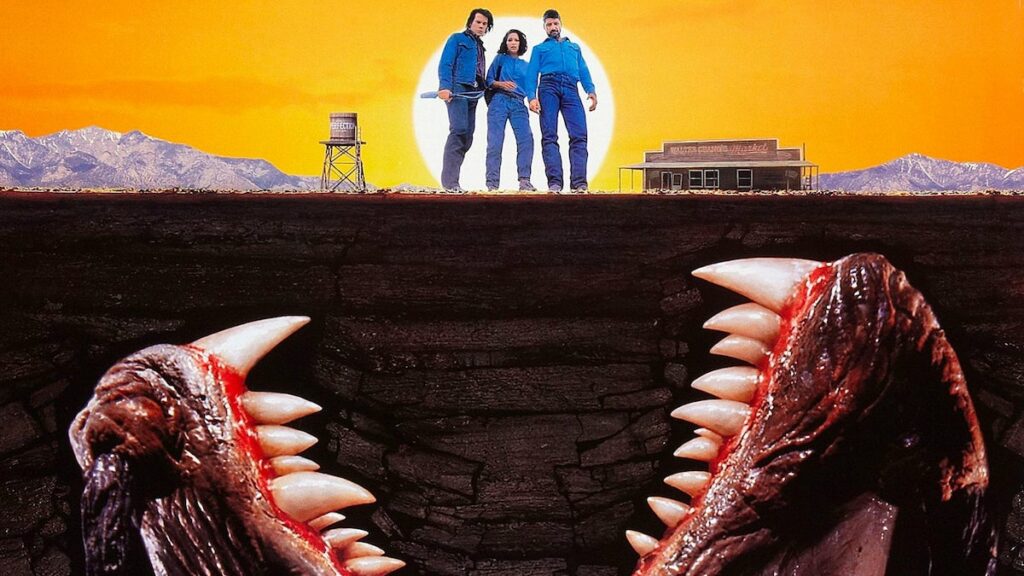
Released in 1990, the film introduced audiences to gigantic underground creatures known as Graboids. What could have been another forgettable creature feature instead became one of the most beloved B-movies ever produced.
Its popularity has endured for decades, inspiring sequels, television adaptations, merchandise, and an exceptionally loyal fan base.
To understand the secret behind its success, we spoke with cinema journalist David Harper.
b-independent: What separates Tremors from countless other monster movies?
David Harper: The characters.
That’s the simple answer.
Many creature features focus almost entirely on the monsters. The filmmakers assume audiences only care about destruction and special effects.
Tremors takes the opposite approach.
Before the monsters become the center of attention, viewers spend time getting to know the people living in the small desert community of Perfection, Nevada.
By the time danger arrives, audiences genuinely care about their survival.
That emotional investment changes everything.
b-independent: The premise sounds incredibly simple. Giant underground creatures attack a town.
David Harper: That’s true, but simplicity isn’t a weakness.
In fact, many great films begin with straightforward concepts.
What matters is execution.
The filmmakers carefully explored every implication of their idea. The monsters hunt by detecting vibrations. Suddenly walking becomes dangerous. Running becomes dangerous. Even standing in the wrong place becomes dangerous.
That concept creates tension naturally.
The audience immediately understands the threat.
b-independent: Kevin Bacon’s performance is often praised. Why?
David Harper: Because he understood the assignment perfectly.
Bacon approached the material with sincerity. He never treated the film as a joke.
That’s important because audiences instinctively follow the emotional cues provided by actors. If the performers don’t take the story seriously, viewers won’t either.
The cast committed completely.
As a result, the film feels grounded despite its absurd premise.
b-independent: The monsters themselves remain impressive today.
David Harper: They do, and once again the limited budget played a role.
The filmmakers couldn’t show the creatures constantly, so they focused on suspense.
Sometimes viewers see only movement beneath the ground. Sometimes they hear sounds. Sometimes they witness the aftermath of an attack.
By withholding information, the film encourages audiences to imagine what might be lurking below.
Often imagination is more powerful than any visual effect.
b-independent: Why has Tremors become such a beloved cult film?
David Harper: Because it’s endlessly rewatchable.
The pacing is excellent. The characters are memorable. The humor works. The suspense works.
Every element supports the others.
Many cult classics become famous because they’re unusual. Tremors became famous because it’s genuinely well made.
That’s an important distinction.
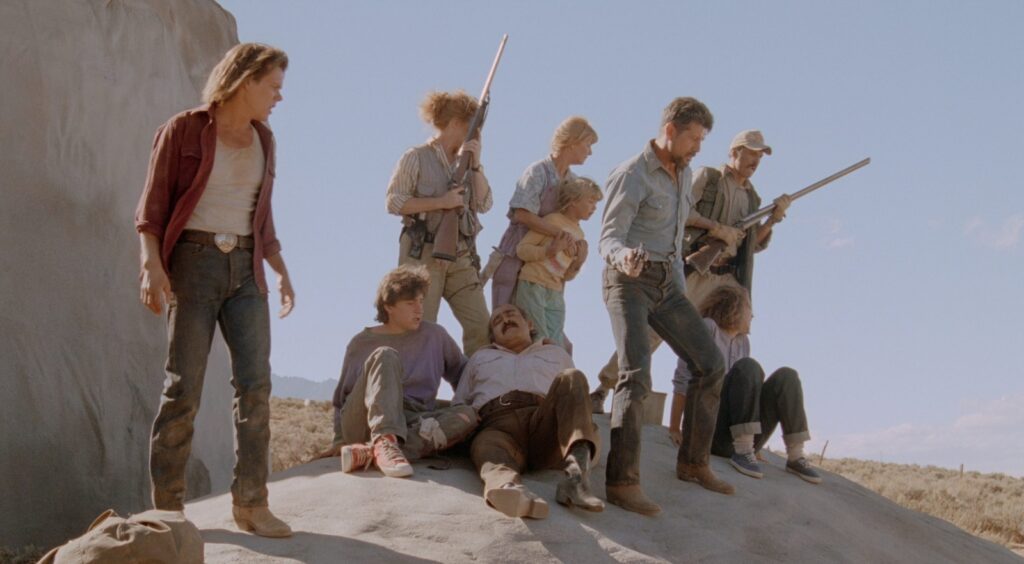
People continue returning to the film because it delivers exactly what great entertainment should deliver: excitement, laughter, suspense, and unforgettable moments.
More than three decades later, audiences are still cheering when the Graboids appear on screen.
That’s the mark of a true classic.