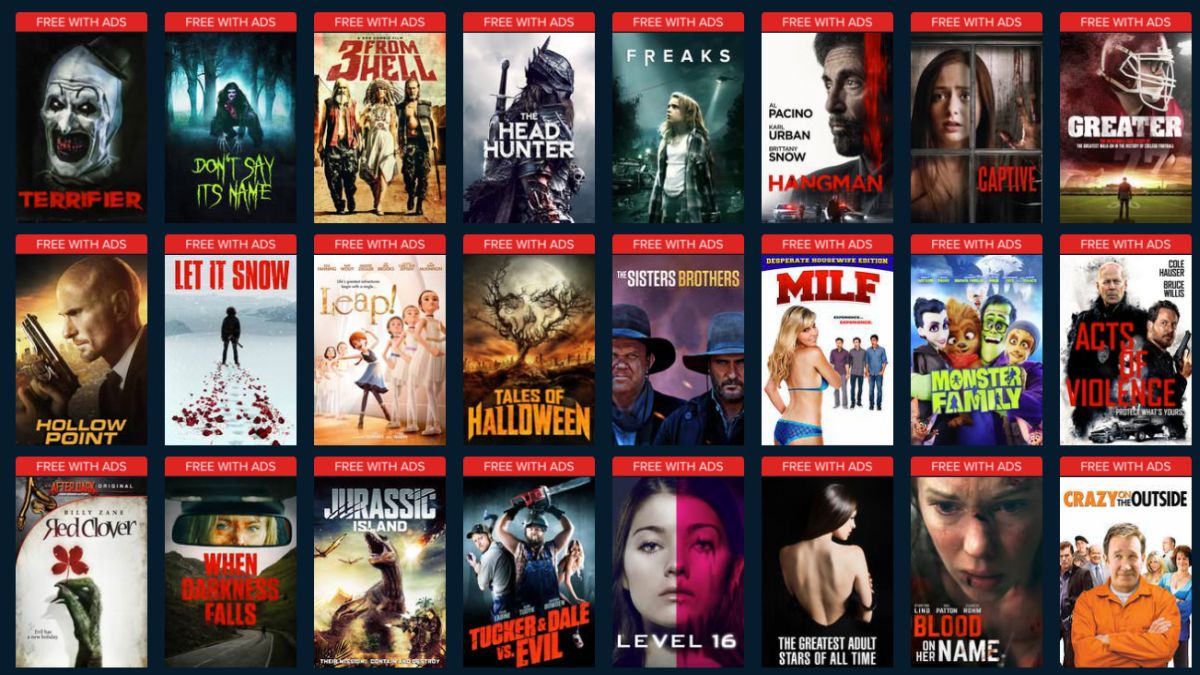
For much of film history, the term “B-movie” carried negative connotations.
It referred to low-budget productions created quickly and often distributed with limited expectations. While some B-movies achieved cult status, many disappeared without leaving a lasting impression.
The streaming era has transformed that reality.
Today, B-movies occupy a fascinating position within popular culture. Independent horror films, science-fiction adventures, action thrillers, and experimental genre projects regularly attract global audiences. What once existed on the margins now influences mainstream entertainment.
Several factors explain this renaissance.
Streaming platforms have dramatically expanded distribution opportunities. A filmmaker no longer requires nationwide theatrical access to reach viewers. Audiences can discover niche productions from virtually anywhere in the world.
Social media has amplified this effect. Clips, reviews, memes, and fan discussions can introduce obscure titles to millions of potential viewers within days.
The success of recent films such as Obsession illustrates how modern audiences are willing to embrace unconventional projects when they offer originality and emotional impact.
Another advantage of B-movies is creative flexibility. Smaller budgets reduce financial pressure, allowing filmmakers to experiment with unusual concepts. Risk becomes an asset rather than a liability.
Many of today’s most celebrated directors began their careers working on independent genre productions. B-movies frequently serve as laboratories where new techniques, storytelling approaches, and visual styles emerge before influencing larger productions.
Audiences have also become more sophisticated. Viewers understand that budget does not determine quality. A compelling story can outperform expensive spectacle when executed effectively.

The modern B-movie ecosystem benefits from global connectivity. Fans recommend hidden gems. Critics highlight overlooked achievements. Communities form around shared enthusiasm for unusual cinema.
Importantly, the renaissance extends beyond horror. Independent science fiction, action, fantasy, and thriller productions are all experiencing renewed visibility. Digital distribution has created opportunities that previous generations of filmmakers could scarcely imagine.
The future appears promising. Technological advances continue reducing production costs while improving visual quality. Emerging filmmakers possess tools once available only to major studios.
As a result, the distinction between “independent” and “mainstream” cinema becomes increasingly blurred.
The modern B-movie is no longer defined by limitations. Instead, it is defined by freedom—the freedom to experiment, surprise audiences, and challenge expectations.
That freedom may ultimately prove to be the genre’s greatest strength.