For decades, Hollywood executives believed that success required massive budgets, famous actors, and global marketing campaigns. Independent filmmakers often found themselves trapped in a cycle where creative ideas received praise but rarely generated enough revenue to compete with major studio productions. In 2026, however, one film challenged those assumptions and reshaped industry conversations about risk, creativity, and audience engagement.
That film was Obsession.
Produced for approximately one million dollars, the supernatural horror story became one of the most surprising commercial successes of the decade. What began as a small independent project evolved into a cultural phenomenon driven largely by word-of-mouth recommendations, social media discussions, and repeat theatrical viewings. Industry observers have compared its rise to some of the most famous horror breakthroughs in cinematic history.
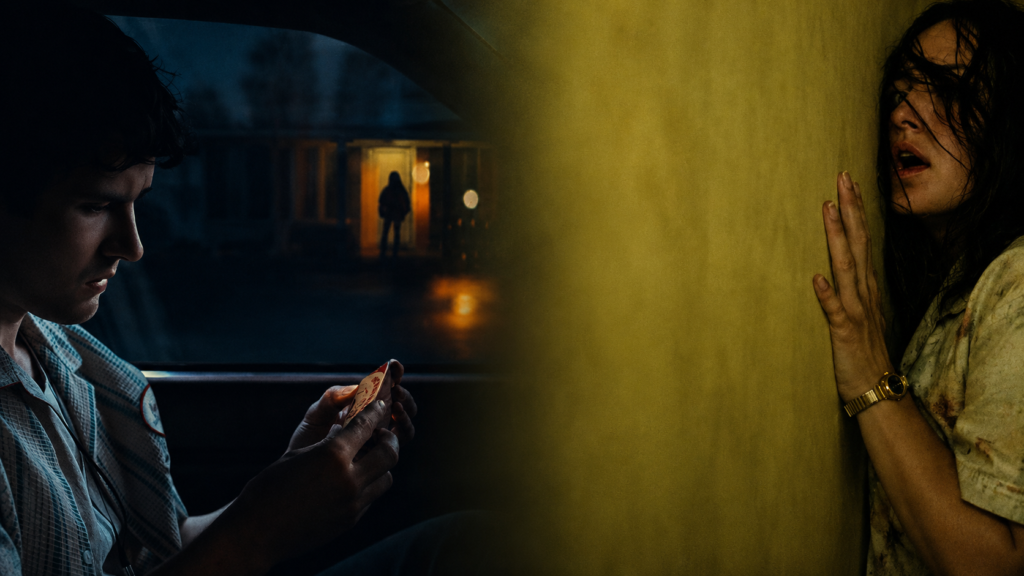
The premise is deceptively simple. A young man uses a supernatural object to make the woman he loves fall for him. Instead of creating romance, the wish unleashes increasingly disturbing consequences. The story combines psychological horror, dark comedy, relationship drama, and supernatural suspense.
What made audiences respond so strongly was not merely the horror itself. Many viewers saw the film as a reflection of modern relationships and unhealthy emotional dependency. Rather than relying exclusively on jump scares, the movie created discomfort through emotional realism. The supernatural elements amplified themes that already existed in everyday life.
The marketing campaign also broke traditional rules. Instead of saturating television with advertisements, the film spread through clips, memes, fan theories, and online discussions. Viewers became promoters. Every conversation generated curiosity. Every theory encouraged another ticket sale.
The success of Obsession highlights an important shift in audience behavior. Moviegoers increasingly seek originality. After years dominated by sequels, reboots, and cinematic universes, many viewers appear willing to support fresh ideas when they feel authentic and unpredictable.
Another factor was timing. Horror has become one of the most reliable genres in modern filmmaking because it allows filmmakers to experiment creatively without requiring enormous financial investments. A compelling concept can outperform productions costing hundreds of millions of dollars.
The film’s box-office performance exceeded expectations repeatedly, remaining strong long after its release weekend. Industry analysts noted that weekday revenues remained unusually high, indicating sustained audience interest rather than temporary curiosity.
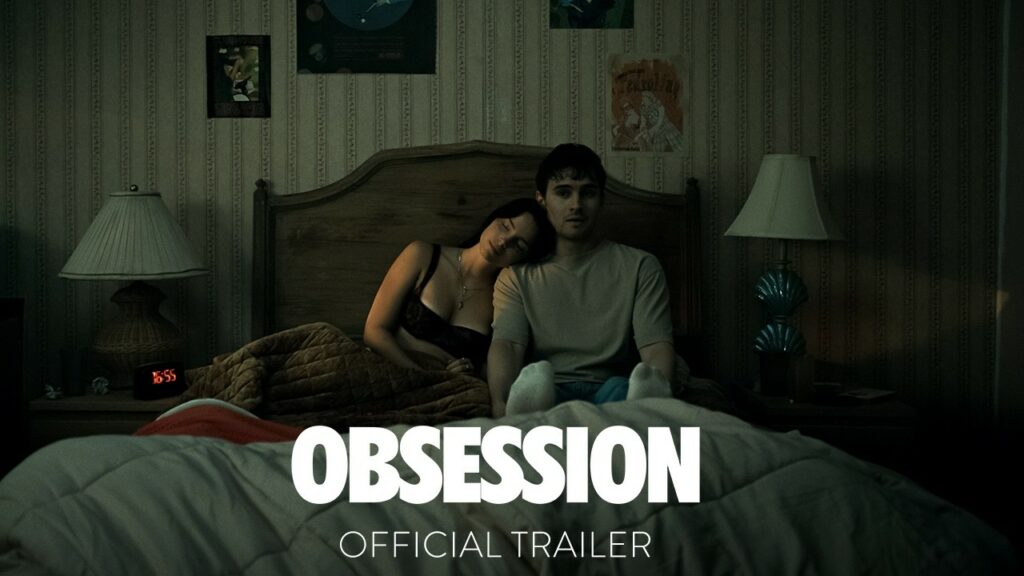
For aspiring filmmakers, the story of Obsession offers an encouraging lesson. Technology has reduced production barriers. Audiences can discover films through social media. Originality can still break through an increasingly crowded entertainment landscape.
The future remains uncertain, but one thing is clear. Obsession has become more than a successful horror movie. It represents a case study in how independent cinema can challenge conventional wisdom and compete directly with the largest studios in the world.